
Punjabi food is not just about rich gravies or generous spoons of butter—it is about land, labour, and a way of life shaped by seasons, rivers, and shared meals. From early morning rotis made in village kitchens to steaming plates served at roadside dhabas, Punjabi cuisine has always been deeply connected to everyday living.
Across the world, Punjabi food is loved for its bold flavours and comforting richness. But behind every popular dish lies a deeper story—of fertile fields, long farming days, migration, resilience, and an unshakeable belief that food tastes better when shared. The aroma of ghee, the smoke of the tandoor, and the slow simmer of dal are not just cooking techniques; they are memories passed down generations.
The Roots of Punjabi Cuisine: Land, History, and Farming
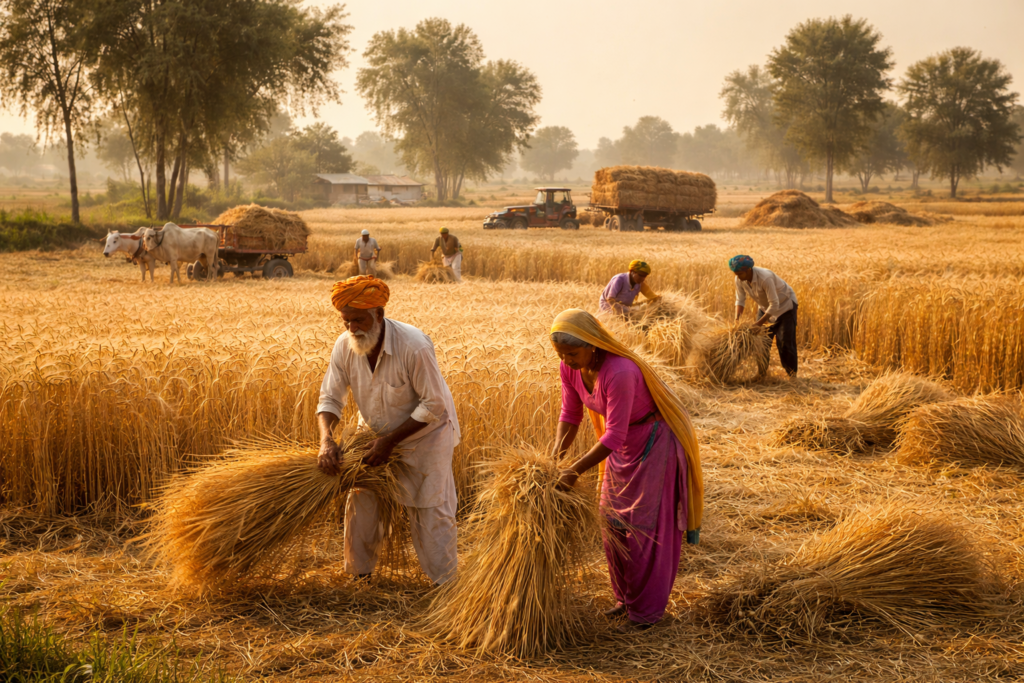
Punjab, often called the “Granary of India,” is a fertile region nourished by five rivers. This agricultural richness has shaped the Punjabi diet for centuries. Traditional meals were designed for farmers who spent long hours doing physically demanding work, which is why Punjabi food is hearty, nourishing, and energy-dense.
Historical Influences on Punjabi Food
Several historical layers shaped what we now recognise as Punjabi cuisine:
Ancient tandoor tradition: Early clay ovens used in the northwestern region laid the foundation for today’s tandoori cooking, allowing bread and meat to be cooked at extremely high heat.
Mughal influence: The Mughal era introduced rich gravies, slow cooking techniques, nuts, dried fruits, and cream, giving rise to royal or shahi dishes such as shahi paneer and creamy meat curries.
Partition and migration (1947): Punjabi families carried their food traditions across India and abroad, opening dhabas and restaurants that popularised dal makhani, butter chicken, naan, lassi, and tandoori dishes worldwide.
Core Ingredients: What Makes Punjabi Food Unique
Punjabi cuisine relies on fresh, seasonal ingredients, whole grains, rich dairy, and aromatic spices. Contrary to popular belief, it is not just about extreme heat but about depth of flavour.
Grains and Daily Breads
Punjab is primarily a wheat-eating region, which is reflected in everyday meals.
Roti / Phulka: Soft whole-wheat flatbreads eaten daily
Paratha: Layered or stuffed flatbreads, often enjoyed at breakfast
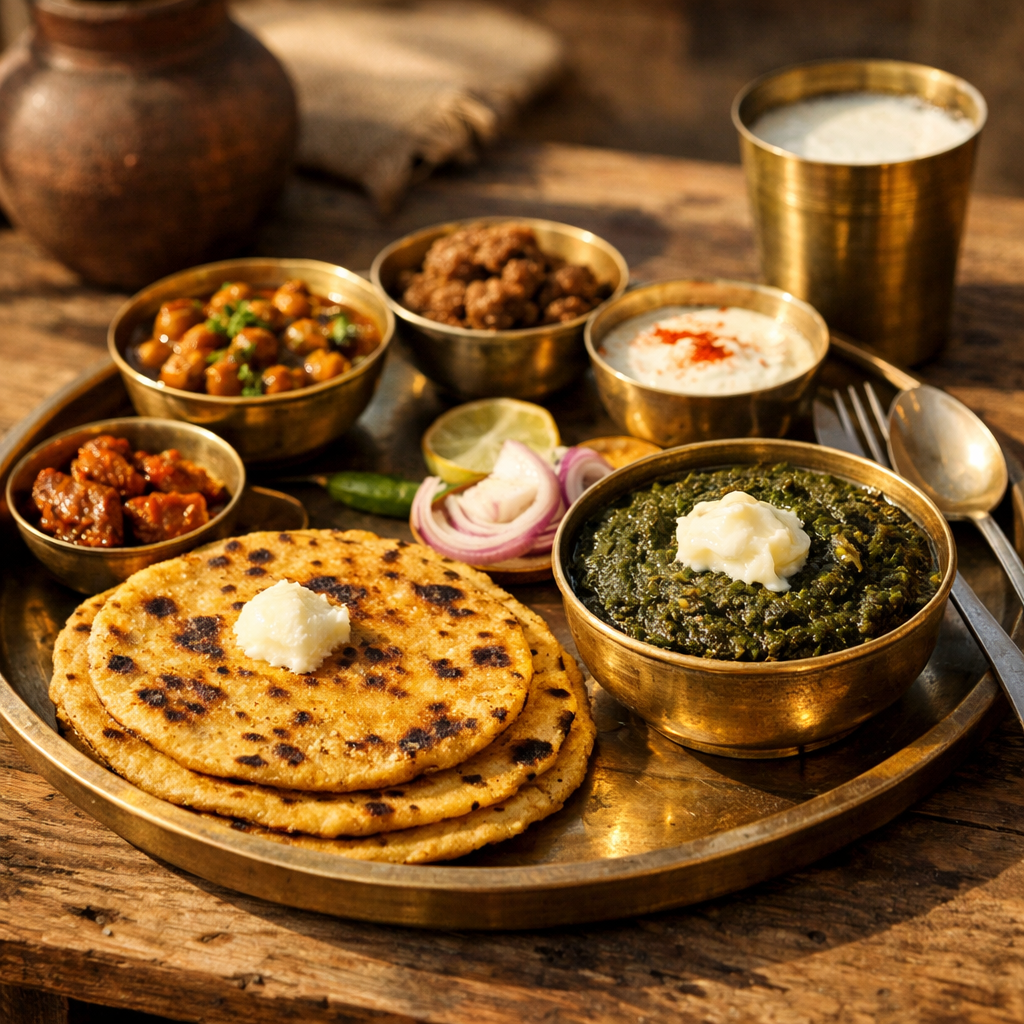
Makki di Roti: Cornmeal flatbread, especially popular in winter and traditionally paired with sarson da saag
The Importance of Dairy
Punjab’s love for dairy defines much of its cuisine.
Ghee: Clarified butter used for cooking and finishing dishes
White Butter (Makhan): Freshly churned and generously served
Paneer: Fresh cottage cheese used in popular vegetarian dishes
Yogurt (Dahi): Used in marinades, curries, and side dishes to balance spices
Spices and Cooking Techniques
Punjabi food is aromatic and layered rather than overly spicy.
Common spices include ginger, garlic, cumin, coriander, turmeric, red chilli powder, kasoori methi (dried fenugreek leaves), and garam masala.
A key cooking method is bhuna—slow-frying onions, tomatoes, and spices until oil separates, creating rich, rounded gravies.
Famous Vegetarian Punjabi Dishes
Punjabi vegetarian food turns humble lentils and vegetables into indulgent, celebration-worthy meals.
Sarson da Saag and Makki di Roti
A winter classic and cultural symbol of Punjab. Sarson da saag is made from mustard greens slow-cooked with ginger, chillies, and spices. It is traditionally served with makki di roti, jaggery, and a spoon of ghee or white butter—directly reflecting Punjab’s agricultural roots.
Dal Makhani
One of the most iconic Punjabi dishes worldwide. Whole black lentils and kidney beans are slow-cooked for hours with butter, cream, tomatoes, and spices. The long simmering time creates its signature smoky flavour and velvety texture.
Chole Bhature
A popular street and restaurant favourite, chole bhature consists of spicy chickpeas served with fluffy, deep-fried bhature. It is commonly enjoyed as a heavy breakfast or festive meal, often accompanied by onions, pickles, and a glass of lassi.
Non-Vegetarian Punjabi Dishes and the Tandoor
The tandoor, a cylindrical clay oven fired with charcoal or wood, is central to Punjabi non-vegetarian cooking. Its intense heat gives food a smoky char that cannot be replicated in regular ovens.
Tandoori Chicken and Chicken Tikka
Chicken marinated in yogurt, lemon, and spices is roasted in the tandoor until charred on the outside and juicy inside. Boneless chicken tikka later inspired the globally popular chicken tikka masala.
Butter Chicken (Murgh Makhani)
Created by Punjabi restaurateurs in Delhi, butter chicken combines leftover tandoori chicken with a rich tomato, butter, and cream gravy. Today, it is one of the most recognised Indian dishes worldwide.
Amritsari Fish
A specialty from Amritsar, this dish features fish coated in a spiced gram-flour batter and deep-fried until crisp, usually served with lemon and mint chutney.
Dhaba Culture and Punjabi Street Food
Dhabas originated as roadside eateries serving truck drivers and travellers, especially along the Grand Trunk Road. Over time, they became symbols of rustic Punjabi hospitality—known for fresh food, simple settings, and generous portions.
Popular dhaba and street foods include:
- Amritsari Kulcha served with chole
- Lassi, thick and creamy, often topped with malai
- Pakoras, perfect with a cup of hot masala chai
Traditional Punjabi Sweets and Desserts
Punjabi desserts are rich and festive, often made with milk, ghee, and nuts.
- Gulab Jamun
- Gajar ka Halwa
- Pinni and Panjiri, especially popular in winter
- Kada Prasad, a sacred sweet served in Gurudwaras
Punjabi Food, Festivals, and Langar
Food plays a central role in Punjabi festivals and religious life.
- Baisakhi: The harvest festival celebrated with rich meals and yellow dishes like meethe chawal.
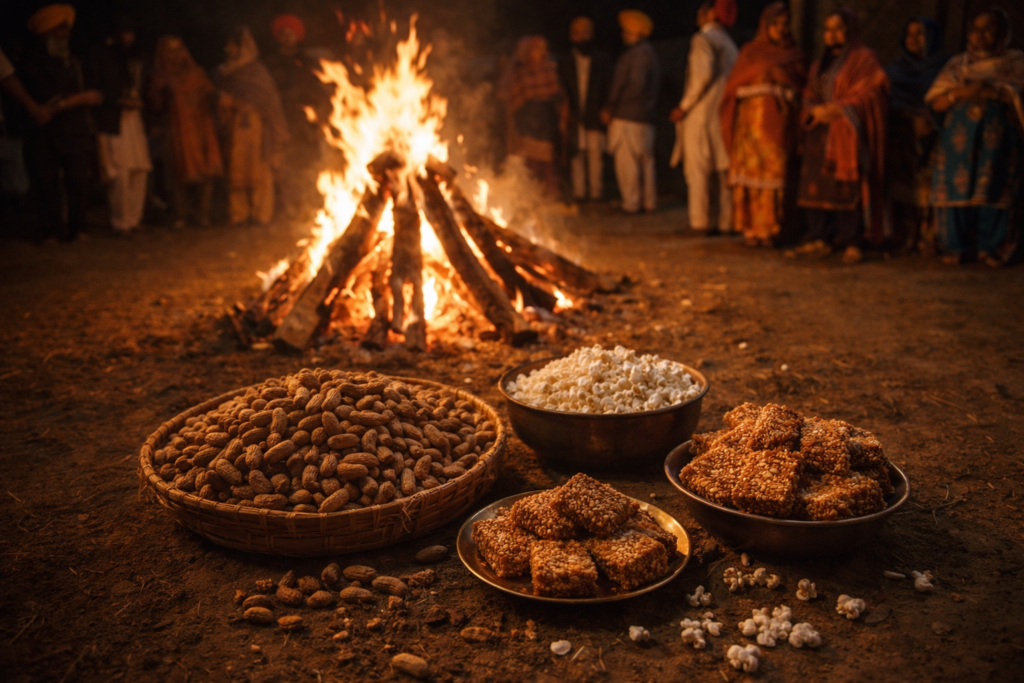
- Lohri: A winter bonfire festival marked by sesame-jaggery sweets, peanuts, popcorn, and hearty meals.
The Tradition of Langar
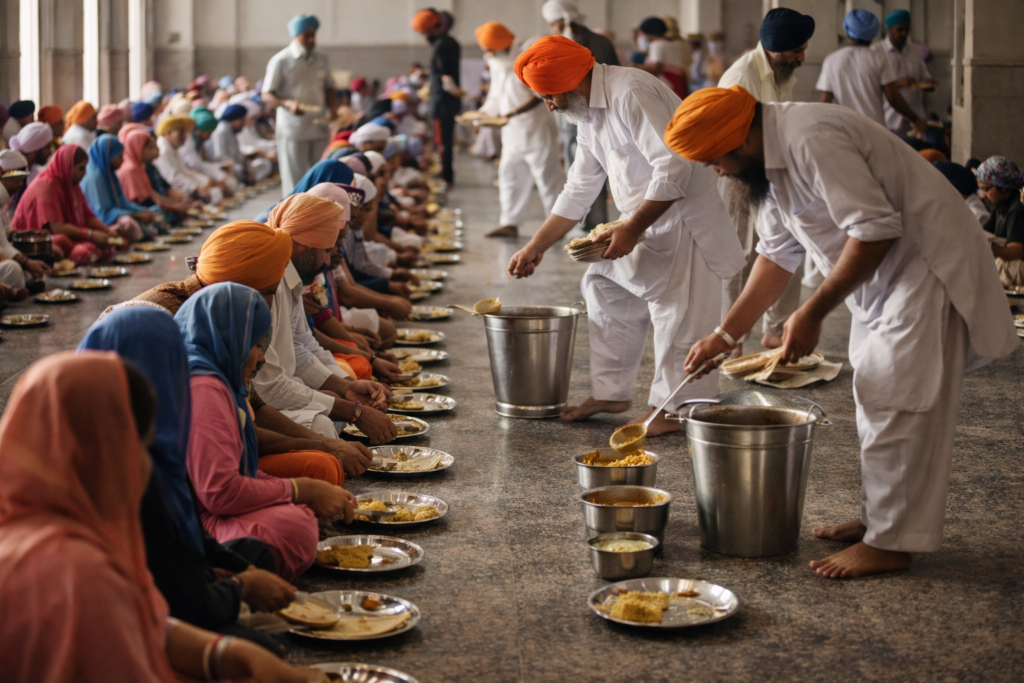
Langar, the free community kitchen in Gurudwaras, serves simple vegetarian meals to everyone, regardless of background. It represents equality, humility, and service (seva), making food a powerful social and spiritual bond.
Punjabi Food Around the World
Punjabi cuisine has travelled wherever Punjabis have migrated—from the UK and Canada to Australia, the US, and the Middle East. Many dishes known globally as “Indian food” are heavily influenced by Punjabi cooking.
Modern adaptations include fusion dishes like chicken tikka pizza and paneer wraps, while fine-dining restaurants serve refined versions of classics such as dal makhani and tandoori lamb chops.
Health Aspects: Tradition and Modern Balance
Traditional Punjabi food suited physically demanding lifestyles. Today, balance and moderation are key.
Healthy strengths include:
- Fermented foods like yogurt and pickles
- Anti-inflammatory spices such as turmeric and ginger
- Whole grains and legumes rich in fibre and protein
- Modern adaptations often reduce ghee, replace heavy cream with yogurt or nuts, and use grilling or baking instead of deep-frying.
Punjabi Food Love..
Punjabi food is more than what appears on the plate. It is a reflection of Punjab itself—generous, resilient, and deeply connected to the land. From simple langar meals eaten together on the floor to rich celebratory dishes served at weddings and festivals, food has always been a way of building community.
Even as Punjabi cuisine travels across borders and adapts to modern lifestyles, its heart remains unchanged. The values of sharing, warmth, and hospitality continue to define it, whether in a village home, a city dhaba, or a restaurant thousands of kilometres away.
Every bite of Dal makhani, every tear of butter-soft naan, and every sip of lassi carries a quiet reminder of Punjab’s fields, rivers, and people—a cuisine rooted in tradition, yet endlessly welcoming to the world.
Recommended Punjabi Recipe Resources:
- Veg Recipes of India – Punjabi Recipes – Great collection of vegetarian classics with clear steps.
- Tea for Turmeric – Punjabi Recipes – A well-curated set of traditional Punjabi dishes (veg & non-veg).
- Ranveer Brar – Punjabi Cuisine – Chef-style interpretations and homestyle Punjabi dishes.
Frequently Asked Questions (FAQs)
What makes Punjabi food different from other Indian cuisines?
Punjabi food is shaped by farming life and seasonal eating. It focuses on wheat-based breads, slow-cooked lentils, dairy like ghee and butter, and tandoori cooking, with an emphasis on rich flavour rather than extreme spice.
Is Punjabi food always very spicy?
No. Punjabi cuisine is more about depth and richness than heat. Many dishes are mildly spiced and rely on slow cooking, butter, and whole spices for flavour.
Why is dairy so important in Punjabi cuisine?
Punjab has a long tradition of cattle farming. Fresh milk, yogurt, butter, ghee, and paneer became everyday staples and naturally define Punjabi cooking.
What are the most popular vegetarian Punjabi dishes?
Sarson da saag, dal makhani, chole, rajma, paneer dishes, kadhi pakora, and stuffed parathas are among the most popular vegetarian Punjabi foods.
Which Punjabi dishes are famous worldwide?
Dal makhani, butter chicken, naan, tandoori chicken, samosas, and lassi are some of the most well-known Punjabi dishes globally.
What is dhaba food and why is it special?
Dhaba food comes from roadside eateries known for simple cooking, fresh ingredients, bold flavours, and generous portions. It represents authentic Punjabi hospitality.
What is langar and why is it important in Punjabi culture?
Langar is a free community meal served in Gurudwaras where everyone eats together, regardless of background. It symbolises equality, humility, and service.
Is Punjabi food healthy?
Traditional Punjabi food can be healthy when eaten in balance. It includes whole grains, lentils, fermented dairy, and spices like turmeric and ginger. Modern versions often reduce excess ghee and cream.
Why is Punjabi food so popular outside India?
Punjabi migration helped spread this cuisine worldwide. Its comforting taste, hearty meals, and adaptability made it popular across cultures.
Can Punjabi food be adapted for modern lifestyles?
Yes. Punjabi food can be made lighter by using less ghee, more vegetables, grilling instead of frying, and balanced portion sizes.