
Punjab has always treated nature as sacred, seeing trees, herbs, and flowers not merely as resources but as living companions in spiritual, village, and family life. In this in-depth exploration, nature appears as prakriti—a divine presence woven into Sikh teachings, Punjabi folklore, Ayurveda, and the daily rhythm of rural Punjab.
From ancient ber trees near gurdwaras to tulsi in courtyards and marigolds in festivals, Punjab’s ecology reflects a worldview where faith, healing, and environment are inseparable.
Nature as Sacred in Punjab
In Punjabi culture, nature is experienced as an expression of the Divine, not separate from dharma, simran, or seva. Sacred trees shade gurdwaras and village ponds, herbs grow around homes as healing desi bootiyan, and flowers are offered in devotion and woven into poetry and folk songs.
ਬਲਿਹਾਰੀ ਕੁਦਰਤਿ ਵਸਿਆ ॥
I am a sacrifice to Your creative power that pervades everywhere
This worldview aligns with the Indian idea of prakriti—nature as a living, conscious reality deserving respect and protection. Trees like peepal and banyan, herbs like tulsi and giloy, and flowers like lotus and marigold become bridges between body and spirit, land and faith.

Sacred and Ancient Trees of Punjab
In traditional Punjabi villages, life unfolded under trees—panchayats beneath the bohar, children playing near neem, and prayers offered beside ber and peepal. These trees carried botanical, spiritual, medicinal, and ecological meaning.
Beri – (Ziziphus mauritiana)
Beri trees hold a special place in Sikh history, especially the Dukh Bhanjani Ber at Sri Harmandir Sahib and Ber Sahib at Sultanpur Lodhi, associated with meditation and healing narratives of Guru Nanak Dev Ji.
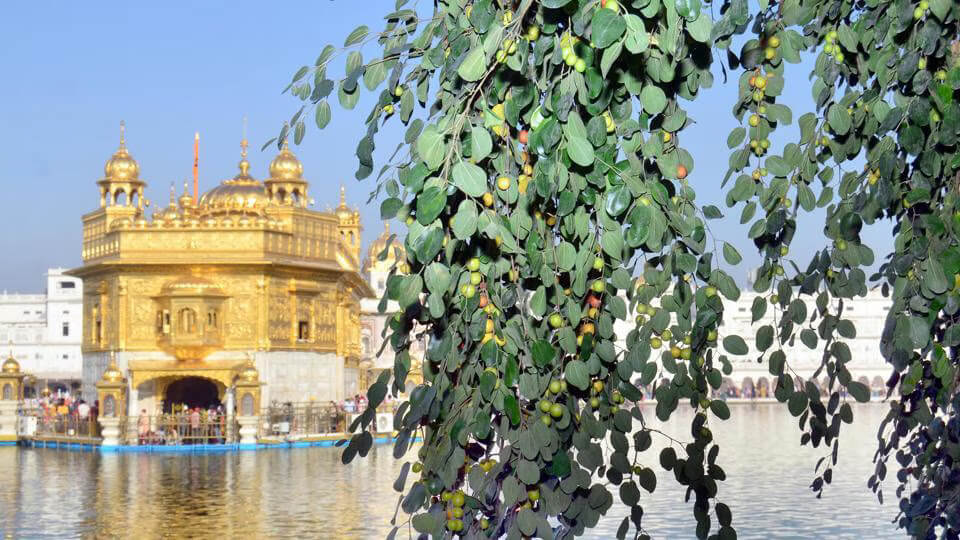
In folklore, the ber symbolizes humility and generosity. Its fruits nourish travelers and the poor, while its shade shelters birds and pilgrims—reflecting Punjab’s blend of compassion, ecology, and spirituality.
Peepal — (Ficus religiosa)
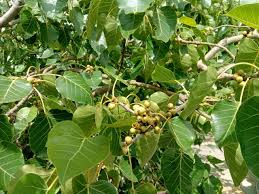
The peepal tree is revered across India as a symbol of meditation and awakening. In Punjab, it often stands near ponds and gurdwaras, becoming a gathering place for quiet reflection and community discourse.
Ecologically, peepal is a keystone species, supporting birds, insects, and epiphytes, while culturally it represents breath, awareness, and continuity of life.
Banyan (Bohar) – (Ficus benghalensis)
The banyan’s vast canopy symbolizes protection, wisdom, and continuity. Traditionally, Punjabi elders met beneath it to resolve disputes and guide village life.
Its aerial roots prevent soil erosion and create microhabitats, making it both a social and ecological anchor.

Neem – (Azadirachta indica)
Neem is among Punjab’s most respected medicinal trees. Families used its leaves for purification, pest control, and treating skin and blood disorders.
Spiritually protective and biologically powerful, neem bridges folk belief and Ayurvedic science.

Sheesham – (Dalbergia sissoo)
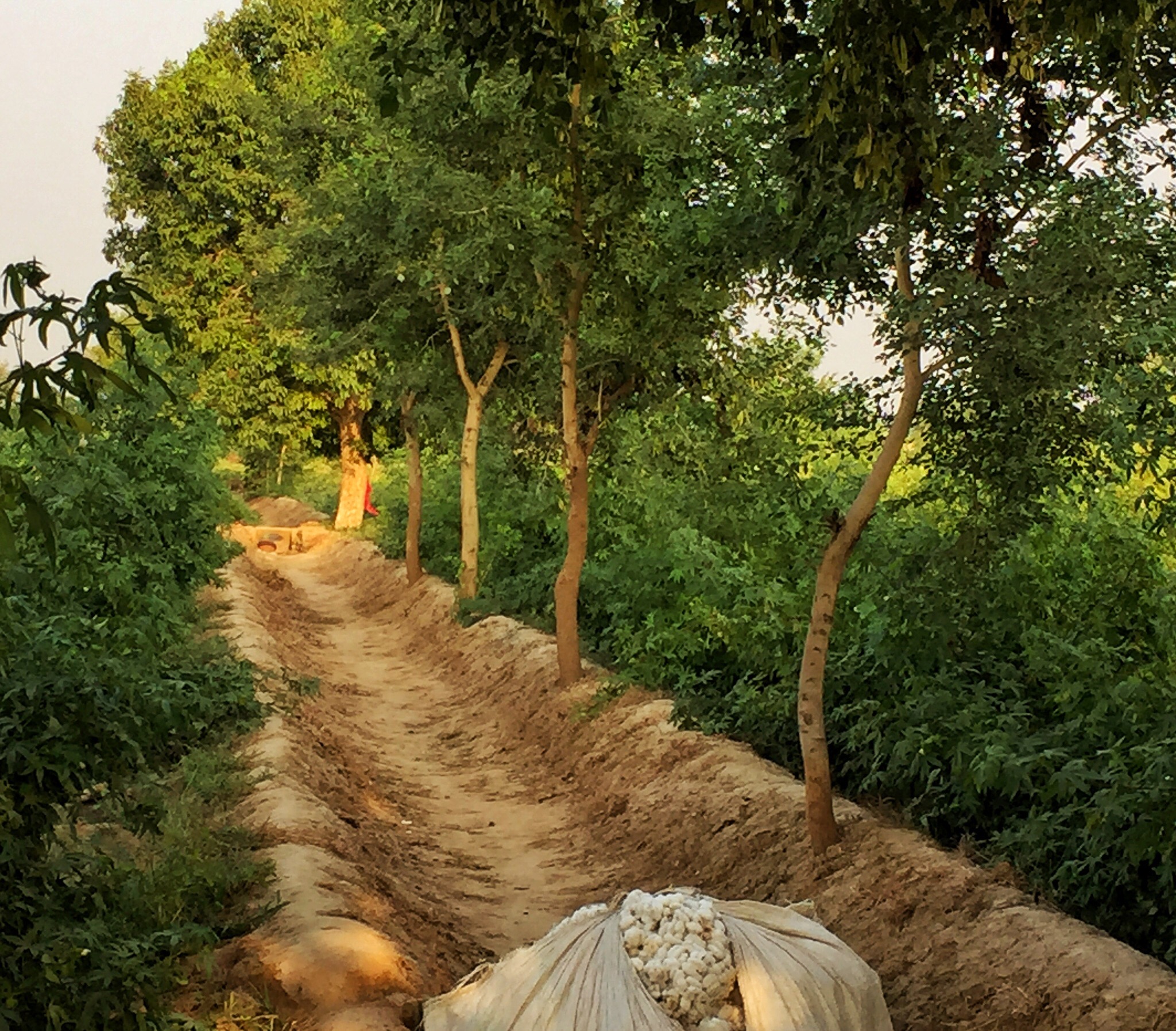
Sheesham wood has shaped Punjabi life—used for furniture, tools, and homes. Growing along rivers and canals, it stabilizes soil and enriches farmland as a nitrogen-fixing species.
Culturally, it represents resilience and reliability, mirroring the Punjabi farming spirit.
Ancient Medicinal Herbs of Punjab (Desi Bootiyan)
Long before the advent of modern pharmacies, families in Punjab, alongside vaids and hakims, turned to “desi bootiyan” to treat nearly every common illness. The knowledge of these herbs was passed down verbally from elders to the younger generations, often connected to the seasons, agricultural cycles, and dietary practices.

Many of these herbs form the foundation of Ayurveda, where they are categorized as rasayana—rejuvenating substances that bolster immunity, digestion, mental clarity, and energy levels. In the rural landscapes of Punjab, these plants link the kitchen, fields, and health remedies, providing cost-effective and accessible healthcare.
Ashwagandha – (Withania somnifera)
Ashwagandha is a well-known adaptogen in Ayurvedic practice, utilized to boost strength, alleviate stress, and enhance overall vitality. Within farming communities, it is held in high esteem for its role in supporting endurance, aiding recovery from illness, and promoting the health of the nervous system.
As a rasayana, ashwagandha features in tonics aimed at combatting fatigue, sleep disturbances, and weakness, typically combined with ghee or milk. Contemporary research underscores its antioxidant properties and ability to lower cortisol, bridging ancient knowledge with modern scientific findings.
Tulsi – (Ocimum sanctum / Ocimum tenuiflorum)
Tulsi plants are typically cultivated in household courtyards and near residences, revered daily as emblems of purity, protection, and spiritual devotion. In spiritual contexts, tulsi represents a holy guardian, while in practical applications, it serves as a potent medicinal herb for respiratory ailments such as coughs and colds.
In Ayurveda, tulsi is acknowledged as an adaptogen that promotes immunity, digestion, and stress relief. Tulsi tea or kadha is a prevalent home remedy throughout Punjab, particularly during the winter months and amidst seasonal illnesses.
Bhringraj – (Eclipta prostrata / Eclipta alba)
Bhringraj is well-regarded in Ayurveda for its benefits in hair growth and the prevention of premature greying. Many Punjabi households prepare oils by infusing bhringraj leaves, which are applied to the scalp to strengthen hair roots.
Internally, bhringraj is recognized as a liver-supportive herb and is also used for various skin conditions. Its natural habitat near moist fields and village outskirts reflects how the local landscape served as a pharmacy for everyday needs.
Giloy – (Tinospora cordifolia)
Giloy, often referred to as “amrita” or the vine of immortality, ranks among the most esteemed immunity-boosting herbs in Ayurveda. The stems of this climbing vine are utilized to create decoctions that aid in managing fevers, enhancing immunity, promoting digestion, and facilitating detoxification.
Research emphasizes giloy’s immunomodulatory and antioxidant effects, affirming its historical application against recurrent infections and chronic fatigue. In Punjab, giloy is often seen climbing on neem or other trees, believed to create a protective synergy in folklore.
Isabgol – (Plantago ovata)
Isabgol, also known as psyllium husk, is a popular natural fiber supplement throughout India for enhancing digestive health, preventing constipation, and cleansing the gut. In farming communities where diets can be rich and heavy, isabgol provides an easy way to sustain regular bowel movements and support colon health.
In Ayurveda, it is recognized as a mild, cooling, and lubricating agent for the intestines, beneficial for both constipation and specific types of diarrhea when used correctly. The cultivation of isabgol in India has increased due to its growing demand as a safe, plant-based digestive aid.
Turmeric (Haldi) – (Curcuma longa)
Haldi holds a central place in Punjabi culinary practices and rituals, symbolizing purity, auspiciousness, and healing. It is employed in cooking, beauty treatments (ubtan), and ceremonial traditions such as the pre-wedding haldi rituals for blessings and protection.
From a medicinal perspective, turmeric is esteemed for its anti-inflammatory, antioxidant, and antimicrobial properties. Ayurveda values it for joint pain, skin issues, wounds, and overall immunity, while recent studies highlight curcumin, its key active compound, for its extensive health benefits.
Key notes:
- Ashwagandha (Withania somnifera): vitality, stress relief, recovery
- Tulsi (Ocimum sanctum): immunity, respiratory health
- Giloy (Tinospora cordifolia): fever management, detoxification
- Turmeric / Haldi (Curcuma longa): inflammation, wounds, rituals
Sacred Flowers in Punjabi Tradition
Flowers in Punjab are not just for decoration; they hold deep symbolic meanings in worship, festivals, and poetry. In Gurbani and Punjabi folk songs, flowers often symbolize the soul, virtues, or spiritual states.
In gurdwaras, flowers like marigolds and roses honor the Guru Granth Sahib and decorate the palki. At home, they adorn altars, weddings, and harvest celebrations. Their colors and scents symbolize devotion, humility, and divine grace.

Lotus (Kamal) – (Nelumbo nucifera)
The lotus, or kamal, is a significant spiritual symbol in Indian traditions. It represents purity, detachment, and enlightenment. It grows in muddy water yet remains unstained, making it a natural metaphor for living in the world without being held back by it.
In Sikh teachings, lotus imagery describes the ideal devotee whose mind stays connected to Naam despite distractions. In Punjabi language and songs, calling someone “kamal” praises their unique beauty, character, or spiritual quality.
Marigold (Genda)
Marigold garlands are common in Sikh and Punjabi ceremonies, from Gurpurabs to weddings and Nagar Kirtans. Their bright yellow and orange colors symbolize good fortune, positivity, and divine blessings.
In Sikh contexts, marigolds decorate gurdwaras and religious events, highlighting a festive spirit and gratitude. Their cheerful appearance reflects the warmth and light faith brings into daily life.
Rose (Gulab)
The rose, or gulab, symbolizes love, beauty, and sincere devotion. In Sikh thought, the rose represents inner fragrance—virtues and humility that quietly spread goodness.
Rose petals are sometimes used in ritual baths or offerings. Rose water serves a cooling and cleansing purpose in homes and traditional remedies. In Punjabi poetry and folk songs, gulab conveys both romantic love and spiritual longing.
Jasmine (Mogra/Chambeli)
Jasmine’s gentle, lingering scent symbolizes subtle devotion and remembrance in many traditions. Sikh-inspired writings connect jasmine to divine remembrance, with its sweet scent representing the presence of Naam in life.
In Punjabi culture, mogra or chambeli garlands adorn hair and homes, especially during summer evenings and celebrations. Their fragrance evokes nostalgia, romance, and the simple joy of shared gatherings.
Palash (Tesoo)
Palash, also known as tesoo or flame of the forest, bears bright orange-red flowers that light up dry landscapes before leaves fully emerge. While more commonly found in central and eastern India, it is also part of north Indian cultural memory as a tree associated with spring festivals.
Traditionally, people used palash flowers to create natural colors for spring festivals. They appear in poetry as symbols of passion, transformation, and seasonal change. The presence of palash in Punjabi folk imagination reflects broader connections in regional plant lore.
Flowers and their signifinace:
- Lotus (Kamal): purity amid worldly life
- Marigold (Genda): joy, gratitude, auspiciousness
- Rose (Gulab): love, humility, inner fragrance
- Jasmine (Mogra): remembrance and subtle devotion
Trees and Nature in Sikh Philosophy
Sikh teachings describe air as the Guru, water as the father, and earth as the great mother. Nature is not separate from spirituality but a direct expression of the Creator.
ਪਵਣੁ ਗੁਰੂ ਪਾਣੀ ਪਿਤਾ ਮਾਤਾ ਧਰਤਿ ਮਹਤੁ ॥
Historically, Sikh institutions developed around trees and water bodies, reinforcing harmony between faith and environment.
Conservation
Urban expansion and intensive agriculture threaten Punjab’s sacred ecology. Protecting these trees and herbs preserves not only biodiversity but also collective memory and cultural identity.
Practical steps include:
- Planting native species
- Protecting old trees legally
- Herbal gardens in schools and gurdwaras
- Recording oral traditions
Punjab’s Living Sacred Ecology
Sacred trees, healing herbs, and symbolic flowers form a living tapestry connecting Punjab’s past with its present. They remind us that spirituality grows not only in scripture but also in roots, leaves, and petals.
Have a look on Punjabi foods
Call to Action:
Choose one sacred plant near you. Learn its story. Protect it. Share its knowledge—so Punjab’s sacred ecology continues to flourish.